
All You Need To Know About Wet Timing Belts
A wet timing belt, found in many modern vehicles like Ford Fiesta, Ford Focus, Ford Transit, Peugeot 208, Citroën Berlingo, Toyota Aygo, Toyota Proace and Volkswagen models, operates inside the engine and is lubricated by oil. Wet belts reduce friction, enhance performance, and generally last longer than traditional dry belts.
This crucial component synchronizes engine parts, ensuring smooth function. Regular maintenance and timely replacement of the wet timing belt are essential to avoid engine damage. Learn about wet timing belt replacement intervals and how it impacts cars, vans, and motorhomes with TSI or EcoBoost engines.
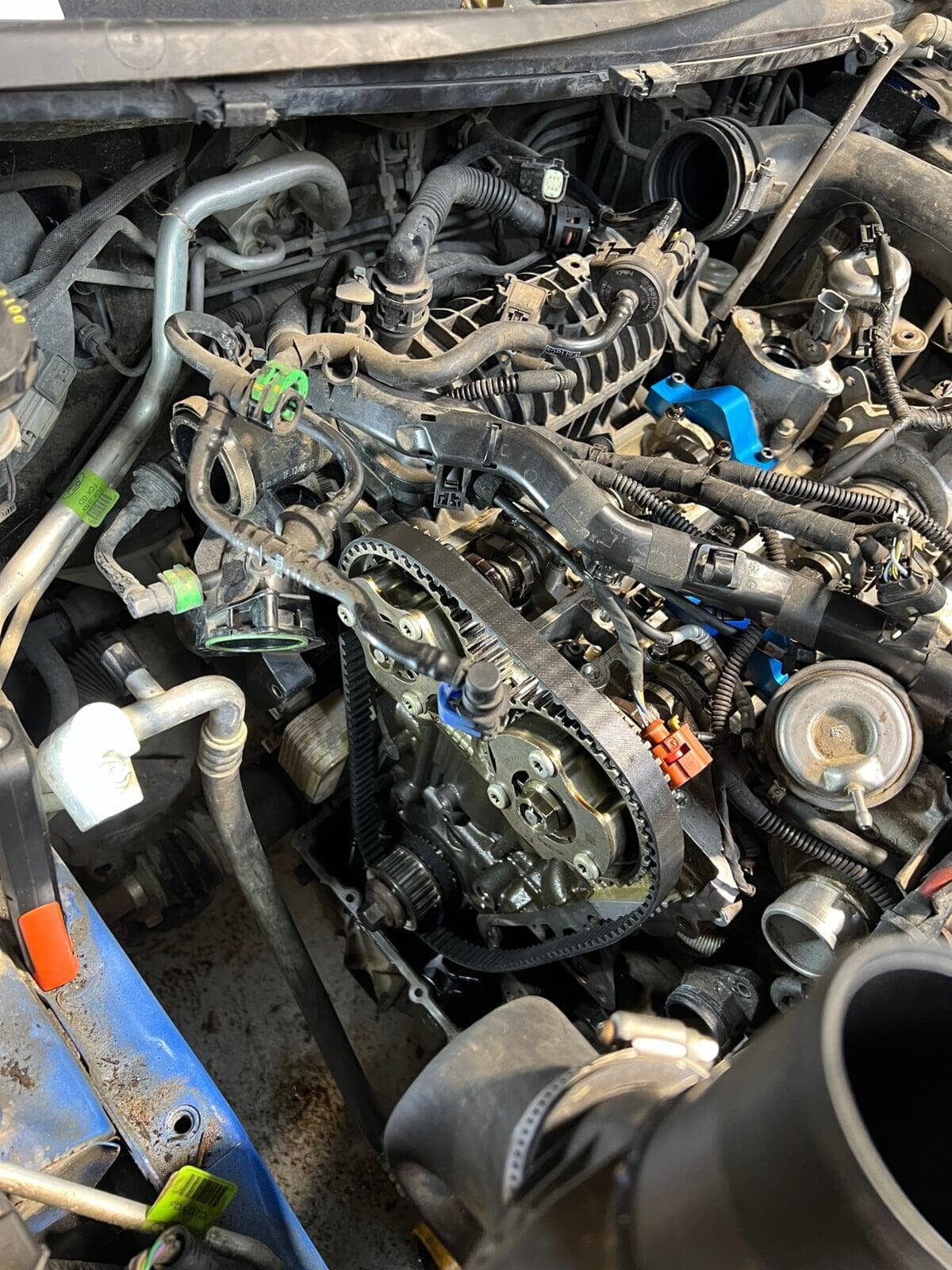
Many manufacturers have adopted wet timing belts in modern vehicles, especially in newer engines designed for improved efficiency and reduced emissions. Some common makes and models that have engines with wet belts include:
- Ford: Various models, including the Ford Fiesta, Ford Focus, Ford Transit vans, and Ford Ranger, often feature wet timing belts, especially in 1.0L and 1.5L EcoBoost engines.
- Peugeot: Many Peugeot vehicles, such as the Peugeot 208, Peugeot 308, and Peugeot Boxer vans, also utilize wet timing belts in their newer engine designs.
- Citroën: Similar to Peugeot, Citroën models like the Citroën Berlingo and Citroën C3 often have wet timing belts fitted.
- Volkswagen Group: Vehicles from Volkswagen, Audi, SEAT, and Škoda may also feature wet timing belts, particularly in smaller TSI and TDI engines.
- Ford: Various models, including the Ford Fiesta, Ford Focus, Ford Transit vans, and Ford Ranger, often feature wet timing belts, especially in 1.0L and 1.5L EcoBoost engines.
- Peugeot: Many Peugeot vehicles, such as the Peugeot 208, Peugeot 308, and Peugeot Boxer vans, also utilize wet timing belts in their newer engine designs.
- Citroën: Similar to Peugeot, Citroën models like the Citroën Berlingo and Citroën C3 often have wet timing belts fitted.
- Volkswagen Group: Vehicles from Volkswagen, Audi, SEAT, and Škoda may also feature wet timing belts, particularly in smaller TSI and TDI engines.
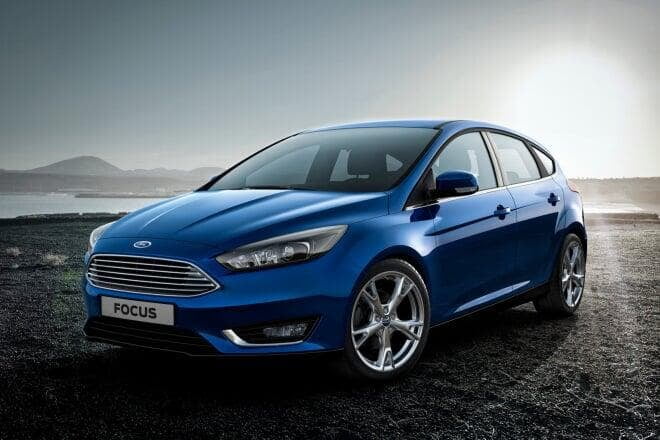
Although wet timing belts tend to last longer than traditional belts, they still need regular inspection and replacement. Manufacturers generally recommend replacing the wet timing belt between 60,000 and 150,000 miles or at specific time intervals. Neglecting this maintenance can result in costly repairs if the belt fails.
In conclusion, while wet timing belts offer advantages like extended life and smoother performance, they are still a crucial part of the engine that requires attention. If your car, van, or motorhome has a wet timing belt, consult your manufacturer’s maintenance schedule to ensure your engine stays in top condition.
The Challenges of a Wet Timing Belt
Common Makes and Models Affected
Wet timing belts are commonly found in models from Ford, Peugeot, Citroën, Volkswagen, Audi, and other manufacturers, especially in newer EcoBoost and TSI engines.
Wet Timing Belt Service Get an Instant Quotation
Ford Ecoboost engines:
Full wet belt service
Ford Ecoboost engines:
Full wet belt service
On the Ecoboost engine, a wet belt replacement can take up to 2 days with additional repairs and replacements:
- Remove oil sump and clean out any rubber residue blocking the oil pick up.
- Replace oil pump drive belt.
- Replace water pump O ring (prone to fail).
- Replace the crank seal.
- Replace a vital part the thrust washer.
- Replace Crank pulley bolt and set the torque to the correct Ford manufacturer specification.
- Carry out a Oil and Filter change.
- Ford Fiesta
- Ford B-MAX
- Ford EcoSport
- Ford Focus
- Ford New C-MAX
- Ford Mondeo
- Ford Transit Tourneo Connect
- Transit Transit Courier
- Ford Transit Connect
- Ford Transit Custom
- Ford Transit 350
Ford Ecoblue Engines:
Full wet belt service
Ford Ecoblue Engines:
Full wet belt service
On the Ford Ecoblue engine engine, a wet belt replacement can take up to 2 days with additional repairs and replacements:
- Remove sump and replace the oil pump drive belt.
- Replace the sump.
- Replace the timing belt cover with a new crankshaft seal.
- Replace the timing belt and tensioners.
- Once complete we also carry out a Oil and Filter change.
- Ford Focus.
- Ford Transit Connect.
- Ford Kuga.
- Ford Mondeo.
- Ford S-MAX.
- Ford Galaxy.
- Ford Fiesta.
- Ford EcoSport
- Ford Transit Custom
- Ford Transit 350
PSA 1.2 Engine:
Full wet belt service
PSA 1.2 Engine:
Full wet belt service
The PSA group 1.2 engine the belt replacement is a lot quicker ob as there are less parts to remove but this does have to be done more frequently:
- Replace the timing belt window gasket
- Replace crank pulley bolt,Replace crank pulley seal,
- Remove rocker covers for specialist locking tool
- Replace rocket cover gasket.
- Carry out a Oil and Filter change.
- Peugeot: 108
- Peugeot: 208
- Peugeot: 2008
- Peugeot: 3013
- Peugeot: 308 II
- Peugeot: 408 II
- Peugeot: 3008
- Peugeot 5008
- Citroën Berlingo III
- Citroën C1 II
- Citroën C3 III
- Citroën C3/C4/C5
- Citroën Aircross
- Citroën C3-XR
- Citroën C4 Cactus
- Citroën C4 Picasso
- Citroën DS: 3,
- Citroën 3 Crossback,
- Citroën 4S,
- Citroën 7 Crossback
- Toyota ProAce City,
- Toyota Aygo
- Vauxhall Combo E
- Vauxhall Corsa F
- Vauxhall Crossland
- Vauxhall Grandland
- Vauxhall Mokka